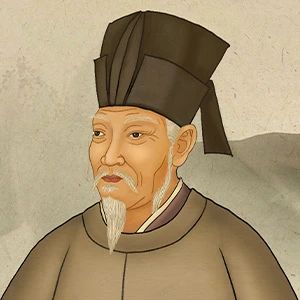
Bai Juyi
白居易
- 分类: 语言文学
- ID: 1864889285705854977
Home CategoryLiteratureBai JuyiPlay4 minsBai Juyi, courtesy name Letian, was a famous Chinese poet and official of the Tang Dynasty (618-907). Born in 772 in Xinzheng, Henan, he passed the jinshi exam in 800. His career in provincial posts influenced his poetry, reflecting societal insights.ShareRelated Videos**Farewell on the Prairie 00:04:50Catalogue1. Early Life and Career2. Literary Contributions3. Influence and Legacy4. Cultural and Historical Context
Early Life and Career
Bai Juyi, was a renowned Chinese poet and official who lived during the Tang Dynasty (618-907). He was born in 772 in Xinzheng, Henan province. Bai Juyi's family was of scholarly background, and he passed the jinshi examination in 800, which was a significant achievement qualifying him for government service. His early career saw him serving in several provincial posts, which provided him with a diverse insight into life and society—a perspective that deeply influenced his poetry.
Literary Contributions
Bai Juyi is revered as one of the greatest poets of the Tang Dynasty, an era that is often regarded as the golden age of Chinese poetry. He was a prolific writer, with over 2,800 poems attributed to him. His works are celebrated for their simplicity and accessibility, employing straightforward language and structure to convey profound themes and emotions. Bai Juyi's poetry often reflected his Buddhist beliefs, empathy for the common people, and criticism of societal injustices.
Major Works
Among Bai Juyi's most famous works are Song of Everlasting Regret and Song of the Pipa Player. Song of Everlasting Regret is a narrative poem that tells the tragic love story of Emperor Xuanzong and his consort Yang Guifei, exploring themes of love, loss, and the permanence of emotions. Song of the Pipa Player, on the other hand, is a reflection on a chance encounter with a pipa musician, discussing the transient nature of life and the poignancy of unfulfilled potential and regret.
Bai Juyi's poems were notable for their social criticism, as seen in his advocacy for the poor and critique of government corruption. His straightforward style made his poems popular in his time and accessible to the literate public, leading to widespread recitation and memorization, making him one of the most influential poets in Chinese history.
Influence and Legacy
Bai Juyi's influence extended beyond poetry. He was instrumental in the development of the Yuefu style, which emphasized folk songs' lyrical quality and rhythmical simplicity. His works were not only popular among common people but also among scholars and poets throughout Asia, influencing literary traditions in Japan and South Korea.
In recent years, Bai Juyi's poetry has seen a resurgence in popularity. Initiatives such as musical adaptations of his works have brought his poetry to a new generation, underscoring the timelessness of his themes and the universal appeal of his poetic style. Notably, his poem Song of the Pipa Player has been adapted into various musical compositions, resonating with young audiences and sparking renewed interest in classical Chinese literature.
Cultural and Historical Context
The Tang Dynasty was a period of great cultural flowering in China, marked by significant developments in art, literature, and philosophy. Bai Juyi's poetry captures the essence of this era, reflecting the cultural richness and intellectual vigor of Tang society. His works are often studied as part of the high school curriculum in China, highlighting their continued relevance and importance in Chinese cultural education.
Bai Juyi's life and work offer a window into the Tang Dynasty's social and political landscape, providing insights into the era's complexities and the human condition's enduring themes. His legacy is celebrated in various cultural festivals and literary events, ensuring that his contributions to literature and culture are remembered and appreciated by future generations. Article reference1. Song of Eternal Regret. chinaservicesinfo.com. 20242. Preserving poetry's charm. chinadaily.com.cn. 20213. NPC deputy crusades to raise profile of Tang literary legacy. chinadaily.com.cn. 2021Photo Gallery(3 pictures)CategoriesLiteratureTagChinese PoetryLiterary FiguresAncient Chinese HistoryRelatedGrain in EarPeonies in Chinese CultureFour Beauties of Ancient ChinaBaidi City•Qutang Gorge Scenic Area, ChongqingCatalogue1. Early Life and Career2. Literary Contributions3. Influence and Legacy4. Cultural and Historical Context- - - []








